


Anyone who knows me knows that I am a strong supporter of cat shows. I organize them, I judge at them, I spend countless hours preparing for them, and I genuinely believe that exhibitions are one of the most valuable tools we have in the cat fancy. Shows bring people together, provide transparency in breeding, educate the public, strengthen breeds, and keep our community alive. There is nothing like seeing a beautiful cat on the judging table, hearing thoughtful comments, sharing knowledge with colleagues, and watching exhibitors proudly present the cats they have raised with love.
Shows matter. They are necessary, useful, and deeply connected to everything we do.
When Something Good Goes Too Far
But—and here comes the “but” we don’t talk about often enough—like everything in life, even something good becomes harmful when it goes too far. Many exhibitors today are no longer showing their cats for the same reasons shows were created. The purpose, for a large number of people, has quietly shifted from education and enjoyment to something entirely different: a never-ending chase for rankings, titles, and BestCat points.
This essay is also available as a short video lecture. The full written version continues below.
I’ve seen an increasing number of exhibitors who plan their entire year around collecting as many points as possible. Not around improving their breeding program, not around choosing the right judges, not around presenting a cat at its best moment—but around the scoreboard. And the more this mentality grows, the more often we see the same cats traveling weekend after weekend, city after city, show after show, with barely any rest between.
This phenomenon, let’s call it by its real name, is over-showing. And while nobody intends harm, the truth is that the cats are the ones who pay the price.
Transport: Necessary, Manageable, but Not Unlimited
Transport is an unavoidable part of showing, and in itself it is not inherently harmful when done properly and with consideration for the individual cat. Many cats travel calmly in familiar carriers, with appropriate temperature control, sufficient space, and reasonable distances. When planned thoughtfully, transport can be a neutral or manageable part of the show experience.
Most exhibitors travel by car, and a journey that feels simple to us can still be a very different experience for a cat. Hours spent in a carrier, surrounded by engine noise and road vibrations, with no understanding of where they are going or why, can be tiring. Cats cannot stretch, cannot walk, and cannot escape the motion. By the time they arrive, some may already be physically and mentally fatigued — even before the show has begun.
As with the show hall itself, the issue is not transport as such, but frequency and disregard for the individual cat. When long or repeated journeys are treated as routine, without rest periods or consideration of how the cat is coping, travel stress can accumulate and contribute significantly to overall strain.
The Show Hall: Stress We Often Don’t See
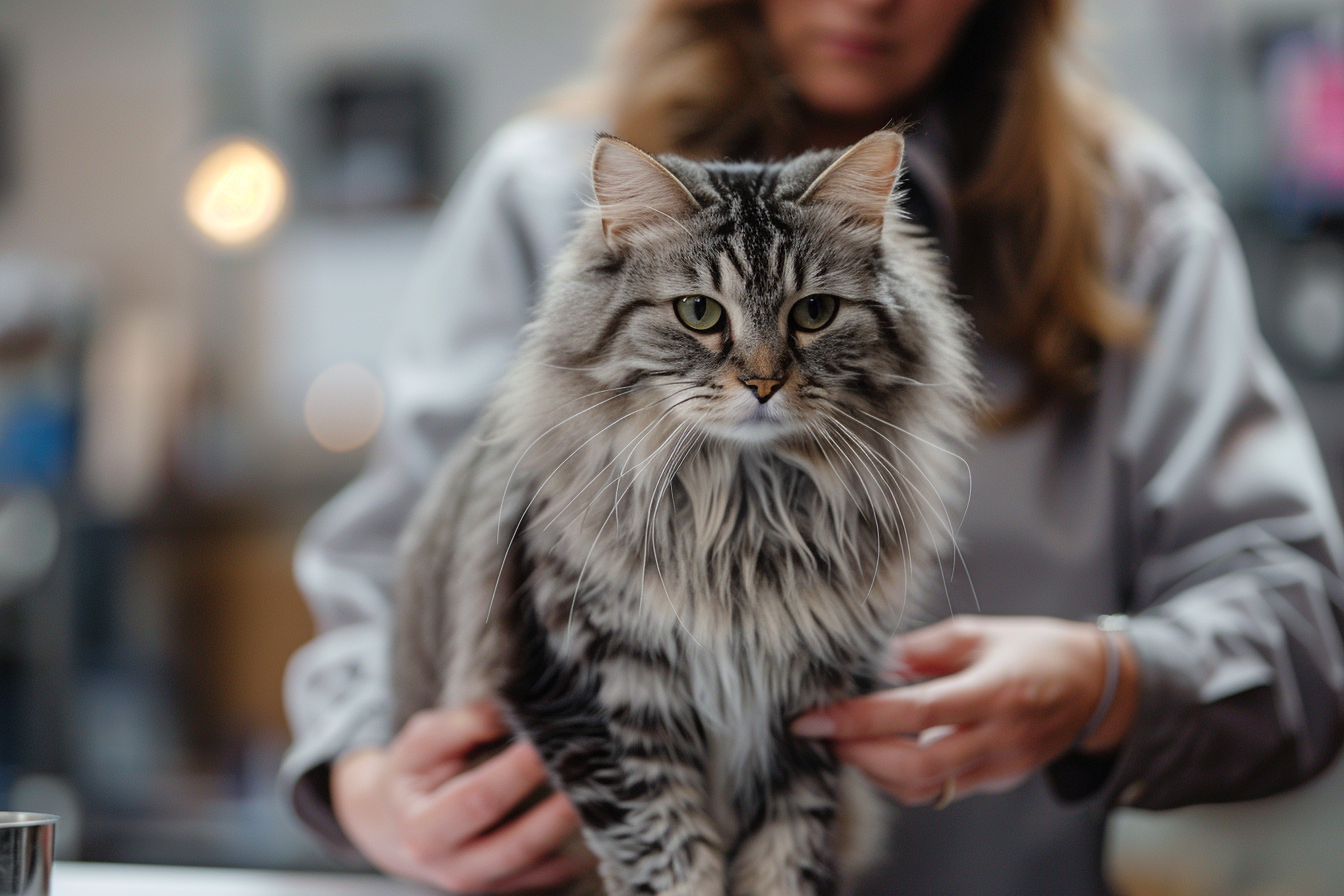
Then comes the show hall, and this is where the stress often becomes invisible but intense. Cats do not scream or cry when they are overwhelmed. They shut down. They look “quiet.” They hide their fear behind stillness and wide eyes. And in a hall full of hundreds of animals, bright lights, unfamiliar people, loud announcements, and constant handling, this internal stress builds up hour by hour.
It is important to be precise here: a well-run, well-organized exhibition is not automatically a negative experience for a cat. Many cats cope well when they are properly socialized, handled calmly, and shown in reasonable conditions. Responsible exhibitors know their cats, recognize individual limits, and simply do not bring animals that are clearly uncomfortable.
The problem begins when the show environment is treated as neutral regardless of the individual cat’s response. When signs of stress are ignored and repeated exposure is justified with “this is normal” or “this is how shows are,” internal stress accumulates — not because of the show itself, but because the cat’s signals are no longer being respected.
Health Consequences of Chronic Show Stress
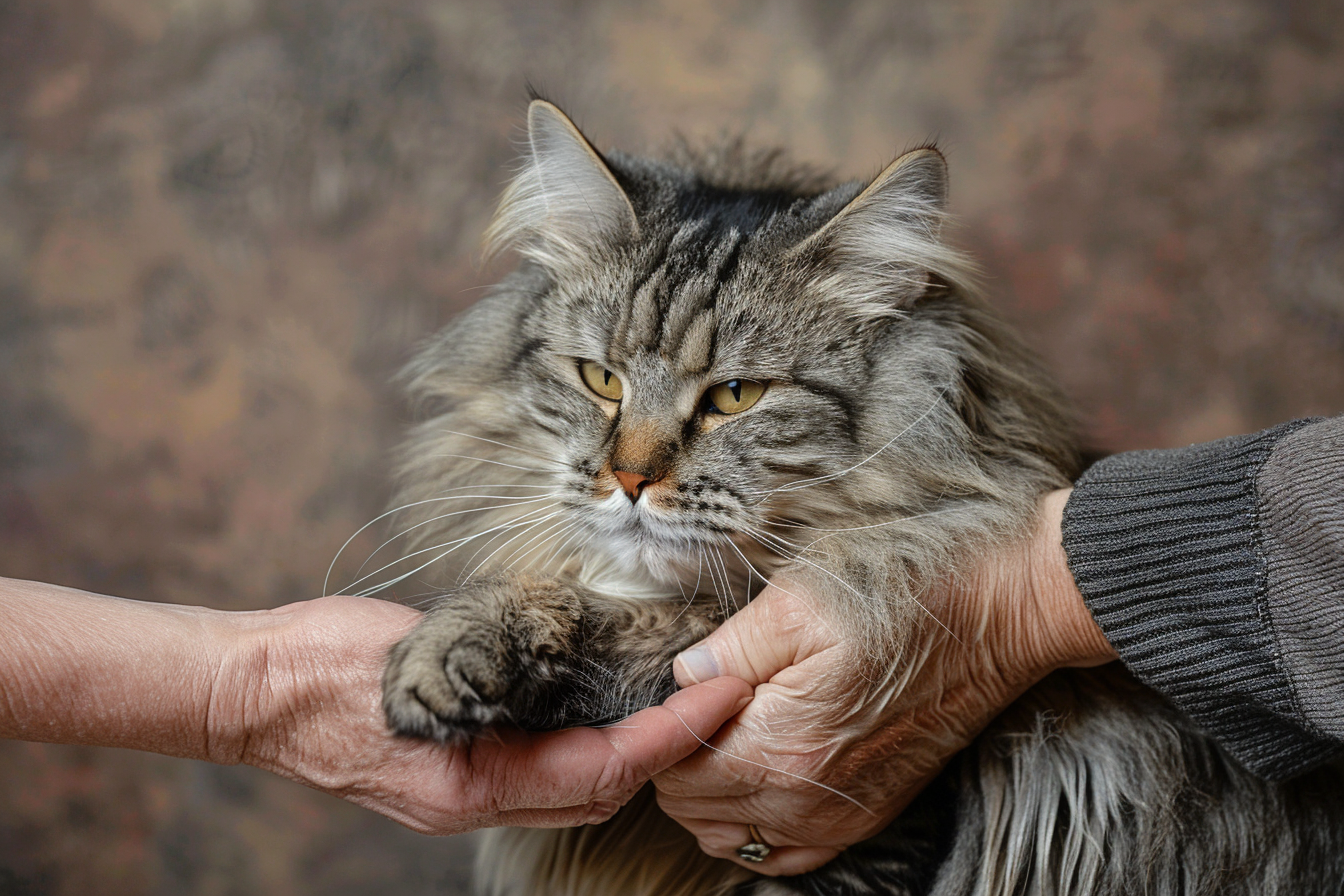
Chronic stress affects immunity. It leads to recurring herpes flare-ups, digestive issues, diarrhea, constipation, decreased appetite, urinary problems, skin irritation, coat deterioration, and fatigue. Some cats become withdrawn at home, hide more, or develop sudden behavioral changes. I know many breeders who can name a specific moment when their cat simply “broke” after long periods of intense showing. These are not isolated stories; they are common experiences we often avoid discussing publicly.
Showing With Purpose vs. Showing Without Limits
None of this means we should stop showing cats. Not at all. I would be the last person to suggest that. Showing is part of responsible breeding, part of maintaining standards, and part of the joy of being in this community. But just because shows are good does not mean more shows are better.
There is an important difference between showing with purpose and showing without limits.
Showing with purpose means choosing events that make sense: a judge you value, a show organized by people you respect, a hall that suits your cat, a weekend where the cat is rested and prepared. It means presenting a cat at its best moment, not every moment. It means caring more about quality than quantity.
Showing without limits means packing every weekend because “there are points.” It means pushing the cat to travel even when the cat is clearly tired. It means prioritizing rankings instead of wellbeing. And even when it is done unintentionally, the effect is the same: the cat suffers silently while humans chase numbers.
Responsibility Comes With Every Title and Every Decision
As exhibitors, breeders, judges, and organizers, we must remind ourselves that behind every title, every score, every placement, there is a living, sensitive animal who depends on us entirely. A cat’s value is not measured by the amount of shows attended but by the life they live and the health they maintain.
We should be proud of our cats. We should enjoy presenting them. Shows should be fun, educational, social, and inspiring. But they should also be balanced, reasonable, and respectful of the cat’s boundaries. Not every show needs to be attended. Not every ranking needs to be chased. Sometimes the most responsible and loving decision an exhibitor can make is to stay home.
Knowing Where the Line Is
In the end, our cats don’t care about points, titles, or Facebook applause. They care about safety, comfort, and the trust they place in us. And it is our duty to protect that trust.
The cat world will always have shows. They are important and they are here to stay. But so is the responsibility to use them wisely.
Because our cats deserve the best of us—not the ambition, not the pressure, not the obsession with rankings—but the thoughtful, responsible, balanced version of us that understands where the line is.
And knows when to stop.
Written by Trpimir-Frane Sulić
President of Felis Croatia (KMFC)
WCF Judge
