


Cat breeds are not fashion projects. They are not blank canvases for us to endlessly modify, exaggerate, stretch, shrink, twist, sharpen, or “enhance” according to our latest personal preferences or the current trends on social media. Cat breeds have origins, history, function, genetics, and a purpose. They were created to resemble and preserve something natural — a phenotype with balance, harmony, and healthy structure.
And yet, in the last fifteen to twenty years, we have entered a worrying phase of the cat fancy: the era of extremes.
This discussion continues a broader reflection started in Showing vs. Over-Showing, where the balance between ambition and responsibility in the cat fancy was first examined.
The Rise of the “Extreme Look”
I see it constantly as a judge. Instead of rewarding cats that represent their breed with stability, health, and correct proportions, more and more people seem drawn to the exaggerated version. The “bigger head,” the “wider ears,” the “shorter nose,” the “longer body,” the “more dramatic look.” And when these extremes start winning, breeders naturally follow. Nobody wants to be the one producing moderate, correct, old-type cats when the trophies go to something that looks more sensational, more “Instagram-friendly.”
This essay is also available as a short video lecture. The full written version continues below.
The tragedy is simple: every extreme comes with a price. And that price is always biological. Always.
When Trends Distort Natural Breeds
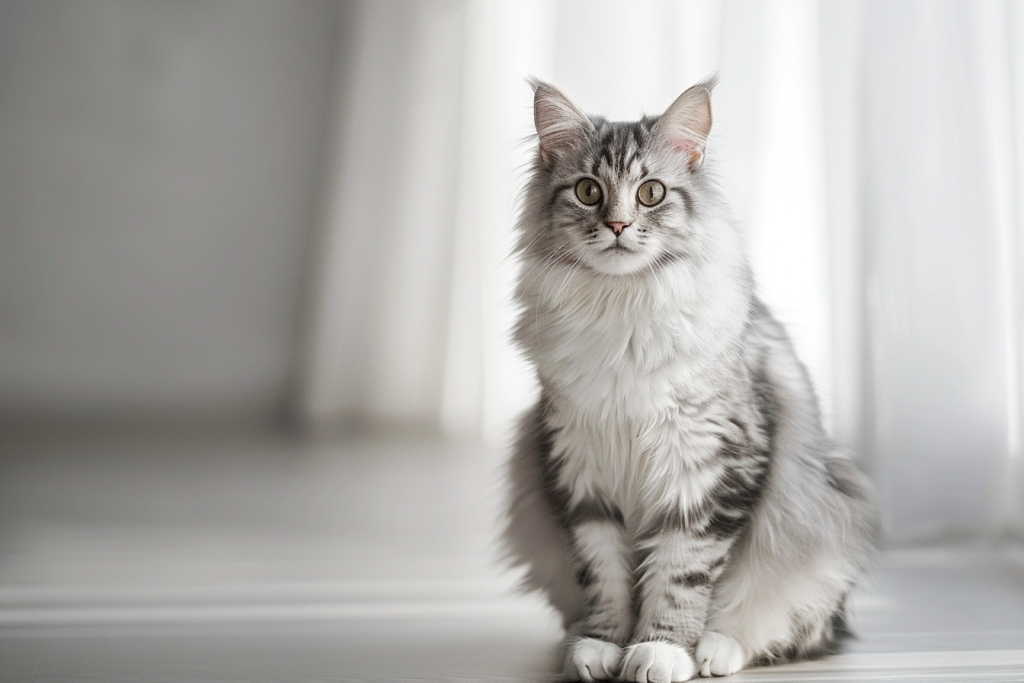
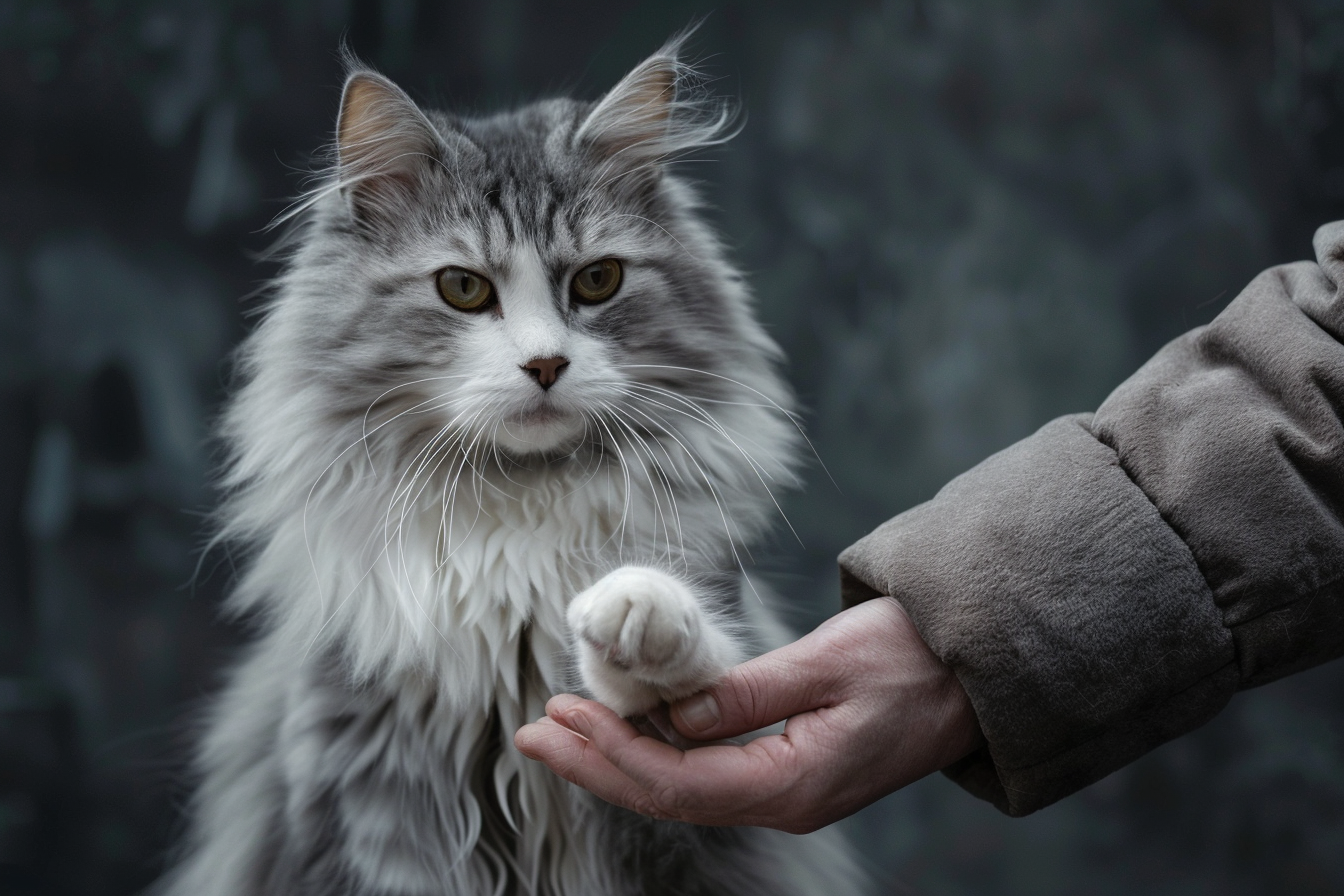
Take the Norwegian Forest Cat as an example. A majestic, natural breed with a triangular head, medium ears, strong structure, and a balanced, functional look shaped by its Nordic origin. But when the trend for “bigger ears” began, things didn’t just stop at “bigger.” Breeders pushed for higher placement, then taller shapes, then longer bases. Eventually the ear, which should sit within the triangle of the head, ended up being placed so low and so sideways that it changed the entire expression of the breed.
Some call this the “new look,” but it has nothing to do with the original lines of the breed. The ears opened so wide that the top of the head appeared flat, the balance disappeared, and the breed type became distorted. And when something becomes distorted, health issues follow. Weak cartilage, ear flopping, chronic infections, loss of correct insulation — all of these are real consequences. This is not evolution. This is deformation disguised as progress.
Persians and the Cost of Going Too Far
Persians are perhaps the clearest example of where extremism leads. What started decades ago as a gentle shortening of the nose slowly turned into a competition of who could breed a face with almost no nose at all. Higher and higher nose placement, flatter and flatter profiles, deeper eye sockets, narrower sinuses, thinner tear ducts — until the breed reached a point where entire countries began debating whether Persians should be banned as “cruelty-based breeding.”
This is heartbreaking, because Persians, when bred responsibly, are incredibly sweet, healthy, and beautiful cats. They do not deserve to be the face of unethical breeding. If Persians ever disappear from certain countries, it will not be because of the breed — but because of the breeders who ignored moderation for far too long.
When Elegance Turns into Structural Weakness
Siamese and Oriental breeds offer another warning. These cats were always elegant, refined, elongated, with an exotic but functional look. But when the desire for “more extreme” took over, ears became so enormous, so wide-based, and so open that cartilage could no longer support them.
We now see flopping, folding, or outward-tilting ears caused by structural weakness. This is not a cosmetic issue — it is a health problem. And yet, these cats were rewarded, celebrated, and used as breeding stock because somewhere along the line the definition of “beautiful” was replaced by “extreme.”
The Price of Size in Large Breeds
Then there is the Maine Coon — the breed that has perhaps suffered the most from the obsession with size. “Bigger is better.” “The largest domestic cat.” Social media loves it, and show pressure followed. Larger bodies, heavier boning, longer frames — until joints began to fail.
Weak knees, unstable patellas, early arthritis, and hip dysplasia are now far more common than they used to be. We pushed for giants, and giants are paying the price with chronic pain.
The Role and Responsibility of Judges
As a judge, I understand the temptation. An extreme cat immediately catches the eye. It looks different. It has impact. But impact is not the same as correctness. Shock value should never win over breed preservation.
Judges shape the future of breeds with every decision they make. When judges reward extremes, breeders follow. When judges reward moderation, breeders follow. It really is that simple.
Why do judges sometimes choose extremes? Sometimes it is lack of deep familiarity with the breed. Sometimes it is subconscious influence — if others reward a certain look, it suddenly becomes accepted. Sometimes it is pressure — no one wants to be the only judge choosing the moderate cat while others pick the extreme. But this is where courage becomes part of the job.
Judges must be willing to say: this is not correct, this is not healthy, this is not the direction the breed should go.
Breeders as Guardians, Not Redesigners
Breeders also carry responsibility. Are we breeding to improve the breed, or to win trophies? Are we studying standards, or copying whatever is fashionable? Every litter reflects a decision — and every decision shapes the future.
Breeds deserve guardians, not redesigners. They deserve balance, moderation, and respect. They deserve judges who reward health and breeders who understand that true beauty comes from harmony, not exaggeration.
Health Must Always Come First
In the end, the message is simple: extreme traits might bring trophies, but they take away something far more important — the wellbeing, dignity, and sustainability of the breed. If we continue down this road, we risk losing the breeds we love, not because the world is against us, but because we failed to protect them from ourselves.
The cat fancy can thrive only if health remains the number one priority. Everything else — titles, trends, fashion — must come second. Always.
Written by Trpimir-Frane Sulić
President of Felis Croatia (KMFC)
WCF Judge
